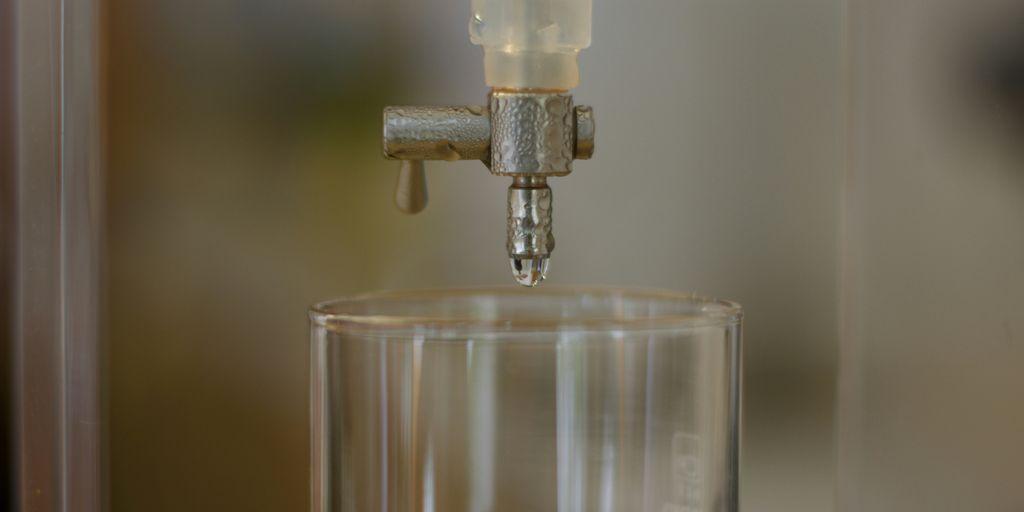
Okay, so you reckon you might have a problem with your hydraulic fluid? Maybe you’ve mixed fluids, or you’re just not sure if what’s in there is still up to scratch. Doing a field test is a good first step before sending anything off to a lab. It’s all about getting a quick and dirty assessment of what’s going on. Let’s get into it.
Step-by-Step Guide to Visual Inspection of Hydraulic Fluid
First things first, give your hydraulic fluid a good look. This is surprisingly helpful. You don’t need fancy equipment for this, just your eyes and maybe a decent light source. Here’s what to look for:
- Colour: Fresh hydraulic fluid usually has a distinct colour, often amber or golden. If it’s significantly darker, cloudy, or milky, that’s a red flag.
- Clarity: The fluid should be clear. If it looks hazy or has particles floating around, it could indicate contamination or degradation.
- Sediment: Check the bottom of the reservoir or sample container for any sediment or sludge. This is a sign of wear, contamination, or fluid breakdown.
- Smell: A burnt or acrid smell is a bad sign. Hydraulic fluid should have a mild, oily odour. A change in smell can indicate overheating or chemical breakdown.
Visual inspection is a simple yet effective way to identify potential problems with your hydraulic fluid. It can save you time and money by catching issues early before they lead to more serious damage.
Simple Bench Tests for Hydraulic Fluid Stability
Alright, you’ve given it the eyeball test. Now, let’s do a couple of simple bench tests. These won’t give you all the answers, but they can provide more clues about the hydraulic fluid’s condition. Here are a couple of ideas:
- Water Content Test: You can get simple water-in-oil test kits. These usually involve adding a reagent to a sample of the fluid and observing any colour change. Excessive water can cause corrosion and reduce the fluid’s lubricating properties.
- Foam Test: Put a small amount of the fluid in a clear container and shake it vigorously. Observe how quickly the foam dissipates. If the foam is excessive or slow to disappear, it could indicate contamination or a problem with the fluid’s anti-foaming additives.
- Viscosity Check: If you have access to a simple viscometer, you can compare the fluid’s viscosity to the manufacturer’s specifications. A significant change in viscosity can indicate degradation or contamination.
Interpreting Immediate Results for Your Hydraulic Fluid
Okay, you’ve done the visual inspection and the bench tests. Now what does it all mean? Interpreting the results is about looking for patterns and deviations from the norm. Here’s a quick guide:
- Cloudy or Milky Fluid: Likely indicates water contamination. This is bad news and needs addressing ASAP.
- Dark Colour and Burnt Smell: Suggests overheating and fluid degradation. Time for a fluid change and investigation into the cause of the overheating.
- Excessive Foaming: Could be due to air leaks, contamination, or depleted anti-foaming additives. Check for leaks and consider a fluid change.
- Sediment or Sludge: Indicates wear, contamination, or fluid breakdown. A fluid analysis is recommended to identify the source of the contamination and assess the extent of the damage.
If you’re seeing any of these warning signs, it’s time to take action. That might mean changing the fluid, investigating the system for leaks or contamination, or sending a sample off for more detailed lab analysis. Don’t ignore the warning signs – a little bit of proactive maintenance can save you a lot of headaches (and money) down the road.
Advanced Laboratory Testing for Hydraulic Fluid
Sometimes, what you can see and test in the field just isn’t enough. That’s where advanced laboratory testing comes in. It gives you a much more detailed look at your hydraulic fluid’s condition and compatibility. If you’re facing persistent issues or need absolute certainty, sending a sample off to a lab is the way to go.
When to Send Your Hydraulic Fluid to a Lab
So, when should you consider sending your hydraulic fluid off for lab testing? Here are a few scenarios:
- Unexplained Issues: If you’re experiencing hydraulic system problems that you can’t diagnose with field tests, a lab can provide more insight.
- Critical Systems: For systems where failure would have major consequences (think heavy machinery or aircraft), regular lab testing is a smart move.
- Before and After Mixing: If you absolutely have to mix different fluids (though we strongly advise against it!), lab testing can help predict the outcome. It’s better to know the risks upfront.
- Long-Term Monitoring: To track the gradual degradation of your fluid over time, regular lab analysis is invaluable. This helps you plan maintenance and avoid unexpected failures.
Key Laboratory Tests for Hydraulic Fluid Compatibility
Labs use a range of sophisticated tests to assess hydraulic fluid. Here are some of the most common and what they tell you:
- Acid Number (AN): Measures the acidity of the fluid. A high AN indicates oxidation and potential corrosion problems.
- Viscosity: Checks the fluid’s thickness. Changes in viscosity can signal contamination, degradation, or the presence of incompatible fluids.
- Water Content: Determines the amount of water in the fluid. Water can lead to corrosion, reduced lubrication, and bacterial growth.
- Particle Count: Measures the number and size of particles in the fluid. High particle counts indicate wear, contamination, and potential damage to system components.
- Elemental Analysis (Spectroscopy): Identifies the types and amounts of wear metals and contaminants in the fluid. This can pinpoint the source of wear and contamination.
- FTIR Spectroscopy: Identifies the presence of different chemical compounds in the fluid, including additives, contaminants, and degradation products. This is useful for detecting fluid mix-ups and degradation.
- Foam Stability: Assesses the fluid’s resistance to foaming. Excessive foaming can lead to cavitation and reduced system performance.
Understanding Lab Reports for Your Hydraulic Fluid
Lab reports can seem daunting, but they’re packed with information. Here’s how to make sense of them:
- Read the Summary: Most reports start with a summary of the key findings and recommendations. This is a good place to start.
- Check the Data: Look at the results of each test and compare them to the fluid’s specifications and historical data. Pay attention to any values that are outside the normal range.
- Consider the Trends: Look for trends in the data over time. Are certain values increasing or decreasing? This can help you predict future problems.
- Read the Comments: The lab will often include comments and recommendations based on the test results. Take these seriously.
- Don’t Be Afraid to Ask: If you don’t understand something in the report, don’t hesitate to contact the lab for clarification. They’re there to help.
Lab reports provide a snapshot of your hydraulic fluid’s condition at a specific point in time. To get the most out of them, it’s important to track the data over time and compare it to the fluid’s specifications and historical data. This will help you identify potential problems early and take corrective action before they lead to system failure.
By understanding how to interpret lab reports, you can make informed decisions about hydraulic fluid maintenance and prevent costly downtime.
Identifying Signs of Hydraulic Fluid Incompatibility
Spotting hydraulic fluid incompatibility early can save you a lot of headaches and money down the track. It’s all about being observant and knowing what to look for. If you notice something’s not quite right with your hydraulic system, don’t ignore it. It could be a sign that your fluids aren’t playing nicely together.
Recognising Foaming and Aeration in Hydraulic Fluid
Foaming and aeration are pretty common signs that something’s up with your hydraulic fluid. Aeration is when air bubbles get trapped in the fluid, and foaming is when these bubbles accumulate on the surface. This can happen for a few reasons, but incompatibility is definitely one of them.
Here’s what to look out for:
- Excessive Foaming: If you see a lot of foam on the surface of your hydraulic fluid, that’s a red flag.
- Milky Appearance: Aerated fluid can look milky or cloudy.
- Noisy Operation: A hissing or gurgling sound from your hydraulic system can indicate air is present.
Foaming and aeration can lead to reduced lubrication, increased wear, and even system failure. Addressing these issues promptly is vital for maintaining the health of your hydraulic equipment.
Detecting Sludge and Deposit Formation in Hydraulic Fluid
Sludge and deposit formation are other telltale signs of hydraulic fluid incompatibility. When incompatible fluids mix, they can react and form unwanted byproducts that settle as sludge or deposits within your system. These deposits can clog filters, restrict flow, and damage components.
Here’s how to spot them:
- Darkened Fluid: If your hydraulic fluid is significantly darker than usual, it could indicate sludge formation.
- Filter Clogging: Frequent filter changes due to clogging can be a sign of deposits.
- Visible Deposits: Check the reservoir and other components for visible sludge or deposits.
Spotting Corrosion and Wear Caused by Hydraulic Fluid Issues
Incompatible hydraulic fluids can also lead to increased corrosion and wear within your system. This happens because the fluid’s protective properties are compromised, leaving metal surfaces vulnerable to attack. Corrosion and wear can significantly shorten the lifespan of your hydraulic components.
Look for these signs:
- Rust or Corrosion: Check for signs of rust or corrosion on hydraulic components.
- Increased Wear: If you notice more frequent component failures or increased wear on moving parts, it could be due to fluid incompatibility.
- Metallic Particles: Inspect the fluid for metallic particles, which indicate excessive wear.
If you suspect corrosion, consider a hydraulic oil analysis to determine the extent of the damage and identify the root cause. Regular checks can help prevent costly repairs.
Choosing the Right Hydraulic Fluid for Your System
Selecting the correct hydraulic fluid is vital for the longevity and efficiency of your hydraulic systems. It’s not just about grabbing any old oil off the shelf; it’s about understanding your equipment’s needs and matching them to the fluid’s properties. Getting this right can save you a lot of headaches (and money) down the track.
Benefits of Liberato’s Zinc-Free Hydraulic Fluid
One of the key decisions you’ll face is whether to go with a zinc-free or zinc-based hydraulic fluid. Liberato’s zinc-free hydraulic fluids offer several advantages, particularly in systems with sensitive components.
- Reduced risk of deposit formation: Zinc additives can sometimes break down and form deposits, which can clog valves and filters.
- Improved compatibility with certain seal materials: Some seals can degrade in the presence of zinc.
- Enhanced environmental profile: Zinc-free fluids are generally considered more environmentally friendly.
Zinc-free hydraulic fluids are a great option if you’re looking for a reliable, long-lasting fluid that’s also kind to the environment. They’re especially good for systems that need extra protection against wear and corrosion.
Exploring the Liberato Superdraulic Hydraulic Fluid Range
Liberato offers a range of Superdraulic hydraulic fluids designed to meet diverse needs. These fluids are formulated with high-quality base oils and advanced additive packages to provide excellent performance and protection. When choosing, consider factors like viscosity grade, operating temperature, and the specific requirements of your equipment. For example, you might need a higher viscosity fluid for heavy-duty applications or a low-temperature fluid for cold environments. Always check your equipment manufacturer’s recommendations to ensure you select the right fluid for the job. You can find the right hydraulic jack oil – iso 32 for your needs in our products menu.
Matching Hydraulic Fluid to Equipment Specifications
This is where the rubber meets the road. Don’t just assume any hydraulic fluid will do. Here’s what to consider:
- Viscosity: The viscosity of the fluid needs to match the pump and system requirements. Too thick, and the pump will struggle; too thin, and you’ll get excessive wear.
- Operating Temperature: Consider the range of temperatures your equipment will operate in. Some fluids are designed for high temperatures, while others are better suited for cold conditions.
- Material Compatibility: Check that the fluid is compatible with the seals, hoses, and other components in your system. Incompatible fluids can cause swelling, cracking, or other damage.
- Application: Is it for a mobile application, industrial machinery, or something else? Different applications have different demands.
Understanding the differences between [zinc-free vs zinc-based hydraulic fluids] is important. By carefully considering these factors, you can choose a hydraulic fluid that will keep your equipment running smoothly and reliably for years to come.
Maintaining Optimal Hydraulic Fluid Performance
Keeping your hydraulic fluid in top condition is vital for the longevity and efficiency of your hydraulic systems. It’s not just about topping up when levels are low; it’s about proactive maintenance and understanding how to get the most out of your fluid.
Best Practices for Hydraulic Fluid Top-Ups
Topping up your hydraulic fluid might seem straightforward, but there are a few things to keep in mind to avoid problems:
- Always use the correct type of hydraulic fluid. Refer to your equipment’s manual to ensure compatibility.
- Cleanliness is key. Make sure the area around the fill point is clean to prevent contaminants from entering the system.
- Use a clean funnel and container when adding fluid. Even small amounts of dirt can cause significant wear and tear.
- Check the fluid level regularly, but avoid overfilling. Overfilling can lead to aeration and other issues.
Scheduled Hydraulic Fluid Analysis and Monitoring
Regular analysis and monitoring of your hydraulic fluid can help you identify potential problems before they become major headaches. Here’s why it’s important:
- Early detection of contaminants: Fluid analysis can detect the presence of water, dirt, and other contaminants that can damage your system.
- Monitoring fluid condition: Analysis can track changes in viscosity, acidity, and other properties that indicate fluid degradation.
- Predictive maintenance: By monitoring fluid condition, you can predict when maintenance is needed and avoid unexpected downtime.
Hydraulic fluid analysis is like getting a regular check-up for your hydraulic system. It helps you catch problems early and keep your system running smoothly.
Extending the Lifespan of Your Hydraulic Fluid
Getting the most out of your hydraulic oil isn’t just good for your equipment; it’s good for your bottom line. Here are some tips to extend its lifespan:
- Maintain proper operating temperatures: Overheating can accelerate fluid degradation. Ensure your system has adequate cooling.
- Use high-quality filters: Filters remove contaminants and keep your fluid clean. Replace them regularly according to the manufacturer’s recommendations.
- Avoid mixing hydraulic oils safely: Unless specifically approved, mixing different types of fluid can lead to incompatibility and reduced performance.
- Consider using a synthetic hydraulic oil: These fluids often offer superior performance and longer lifespans compared to conventional mineral oils.
Keeping your hydraulic fluid in great shape is really important for your machines. If it’s not, you could end up with big problems and costly repairs. We’ve got products that help your hydraulic systems run smoothly. Want to learn more about how to keep your hydraulic fluid performing its best? Check out our website today!
Wrapping It Up
So, there you have it. Doing a hydraulic oil compatibility test might seem like a bit of extra work, but trust me, it’s worth it. You really don’t want to mix oils that don’t get along, because that can cause all sorts of headaches for your machinery. Things like foaming or sludge can pop up, and that’s just going to cost you time and money down the track. Whether you’re switching brands or just topping up, a quick check can save you a lot of grief. And hey, if you’re looking for oils that play nice, our Liberato Zinc-Free Hydraulic Oils and Superdraulic Range are designed to be pretty reliable. Keeping your gear running smoothly is the main goal, right?
Frequently Asked Questions